

By mid-January, the vegetable patch is either bursting with promise or looking a little weary — sometimes both at once. The heat is relentless, the sun unforgiving, and it can feel like the garden needs attention just when you’d rather be somewhere cooler. But summer vegetable gardening isn’t about working harder. It’s about working smarter and keeping plants productive without burning yourself out.
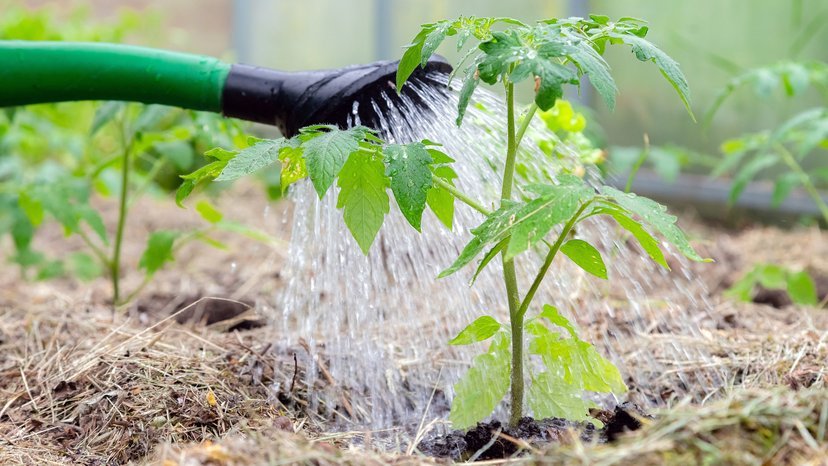
Watering is the first thing to get right. In summer, how you water matters far more than how often. Shallow, frequent watering encourages roots to stay near the surface, where they dry out quickly. Instead, aim for deep, thorough watering that soaks the soil down to the root zone. Early morning is the best time. Evaporation is low, leaves dry quickly, and plants are set up for the day ahead. Avoid watering in the evening, especially in humid weather, as damp foliage overnight can invite fungal problems. That said, if it’s been a scorcher, don’t be afraid to top up water reserves.
Mulch is essential in January. A thick layer of straw, sugarcane mulch or lucerne keeps the soil cooler, reduces evaporation, and prevents the soil surface from baking hard. It also protects beneficial microbes that keep your soil healthy. If your beds aren’t mulched yet, this is the single best thing you can do to improve your summer harvest.
Succession planting is what keeps the veggie patch productive rather than overwhelming. Instead of planting everything at once, sow small amounts regularly. Fast growers like lettuce, rocket, spinach, radish and Asian greens can be sown every two to three weeks. This way, you’re harvesting continuously rather than being flooded with produce all at once. It also means that if a heatwave wipes out one batch, the next is already on its way.
Mid-January is still a great time to plant heat-loving crops. Bush beans, cucumbers, zucchini, basil and cherry tomatoes all thrive in warm soil. Stick to smaller, faster varieties — they establish quickly and cope better with heat than large, slow-growing types. When planting now, always water seedlings in well and provide temporary shade for the first few days if temperatures spike.
Feeding in summer needs a light hand. Heavy fertilisers can push soft growth that wilts quickly and attracts pests. I prefer regular liquid feeds at half strength, applied in the morning after watering.
Harvesting is another area where timing makes a real difference. Pick vegetables early in the morning, when they’re cool and full of moisture. Leaves are crisper, fruit is firmer, and plants recover better. Regular harvesting also encourages plants to keep producing — zucchini, beans and cucumbers in particular will slow down if fruit is left to mature on the vine.
Tomatoes benefit from consistent attention now too. Remove any damaged or diseased leaves to improve airflow, and keep watering regular to avoid split fruit. If the heat becomes extreme, don’t panic if flowers drop; plants often pause in very high temperatures and resume once conditions ease.
Pest pressure increases in summer, but resist the urge to overreact. Healthy, well-watered plants are far more resilient. Check the undersides of leaves regularly and deal with issues early using gentle methods. A strong spray of water or a mild soap solution is often enough.
One of the most important things to remember in January is to manage expectations. Not every crop will thrive, and that’s okay. Summer gardening is about maintaining momentum, not perfection. Shade cloth, good mulch and smart watering go a long way, but sometimes the garden simply slows down — and that’s part of the seasonal rhythm.